Making your home all electric
Moving to an all-electric home means replacing gas appliances with efficient electric options. Where it suits your home, you can use rooftop solar and battery storage to supply more of your own electricity.
You do not need to make all these changes at once. Planning ahead allows you to replace appliances when they need replacing. It also gives you time to choose products that suit your household, home and budget.
Your guide to an all-electric home
Explore the tabs below for practical guidance to help you plan, choose and transition to an all-electric home.
Reverse-cycle heating and cooling
Reverse-cycle air conditioners, also called split systems, can heat and cool your home using one appliance.
Modern systems can be highly energy efficient. They can heat or cool individual rooms instead of the whole house.
Before you buy, think about:
- the size and layout of the room
- the system’s energy-efficiency rating
- where the system will be installed
- how much noise it makes
- whether your home needs any electrical work
- the product warranty, and
- ongoing maintenance costs.
Heat pump hot water systems
Heat pump systems use electricity to draw heat from the air and heat your water.
They generally use less electricity than traditional electric hot water systems. They can work well with rooftop solar because you can use your solar electricity to heat the water.
Before you buy, think about:
- the number of people in your household
- how much hot water you use
- the size of the water tank
- the space available outside
- how much noise the system makes
- how well it works in cold weather
- whether you can set your system on a timer to use solar panels and produce electricity.
Induction cooking
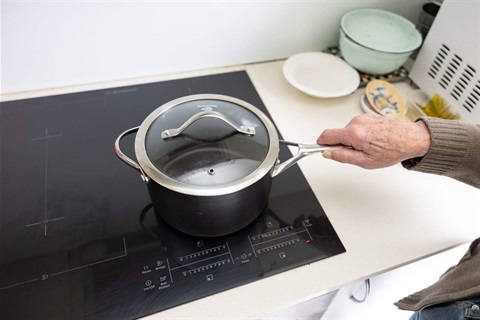
Induction cooktops use magnetic energy to heat suitable cookware directly. The cooktop itself does not need to get hot first.
Induction cooktops can heat food quickly and control the temperature well. They also avoid the indoor combustion associated with gas cooking.
Before you buy, check:
- the size of the cooktop
- the electrical work that may be needed
- whether you have suitable ventilation, and
- whether your existing cookware works with induction
Electric ovens
Electric ovens can be paired with an induction cooktop to create a fully electric kitchen.
When comparing ovens, think about:
- oven size
- energy efficiency
- fan-forced settings
- cleaning features
- electrical requirements, and
- product and installation warranties.
Rooftop solar
Solar panels use sunlight to generate electricity. This can help reduce the amount of electricity you need to buy from your electricity provider.
Before installing solar:
- check the roof condition of your roof
- check the size and direction of your roof
- look for areas that may be shaded
- check how much electricity your household uses
- think about when you use the most electricity
- compare different system sizes and inverter options, and
- get several quotes from accredited installers, such as Easy Electric SEC.
Home batteries
A home battery stores electricity, generally from your rooftop solar. You can then use this electricity when your solar panels are not producing enough energy.
A battery may suit some households. Whether it will save you money depends on how much electricity you use, how much solar power you produce, electricity plan and the upfront cost of the battery.
Before you buy, consider:
- the cost to buy and install the battery
- how much electricity you can use from the battery
- whether it can provide backup power
- where it can be installed
- product warranty
- how long the battery is expected to last, and
- how much money you may save over time.
Planning your move to an all-electric home
- Understand what you already have. Check the age and condition of your heating, cooling, hot water and cooking appliances.
- Improve your home’s efficiency first. Insulation, draught proofing and shading can reduce the amount of energy needed to keep your home comfortable.
- Plan before an appliance breaks. Research replacement options before an old appliance stops working.This gives you time to compare products and prices instead of making a rushed decision.
- Check your electrical system. Some upgrades may need extra wiring, new circuits or changes to your switchboard. Ask a licensed electrician what may be required.
- Upgrade one step at a time. You can start with appliances that are old, inefficient, expensive to run or due for replacement.
Questions to ask suppliers and installers
Before you buy or have work done, ask:
- Is this product the right size for my home and household?
- What is its energy efficiency rating?
- What electrical or building work will be required?
- Are installation, removal and disposal costs included in the quote?
- What product and installation warranties are included?
- Who will carry out the work, and are they licensed or accredited?
- Will the system work effectively with my existing solar system?
- What maintenance will be required?
- Are there any current rebates or discounts available?
If you are disconnecting gas
Replacing your last gas appliance does not automatically remove the gas supply charge from your bill. If you want to stop using gas completely, speak with your gas retailer and a licensed gasfitter. They can explain how to disconnect your property from the gas network and what it will cost.
Take it one step at a time
Creating an all-electric home does not need to happen overnight.
Planning ahead can help you make each upgrade when the time is right. It can also help you choose products that work well for your home and give you good value over time.